Looking for Drug Rehab in Cleveland? Here Are 10 Things You Should Know First

Looking for help with substance use can feel like a lot to carry. You may be comparing treatment programs, sober homes, insurance options, and levels of care while also trying to protect your privacy and your hope.
You deserve support that sees you as a whole person. You deserve a place where your identity is respected, not questioned, minimized, or treated like something you need to leave at the door.
If you’re researching drug rehabilitation centers in Cleveland Ohio, this reassuring 10-point guide can help you know what to ask and what to look for.
1. You deserve care that doesn’t ask you to hide
LGBTQ+ people and allies should not have to choose between addiction treatment and being fully themselves. A safe recovery setting makes room for your identity, relationships, history, pronouns, culture, and goals.
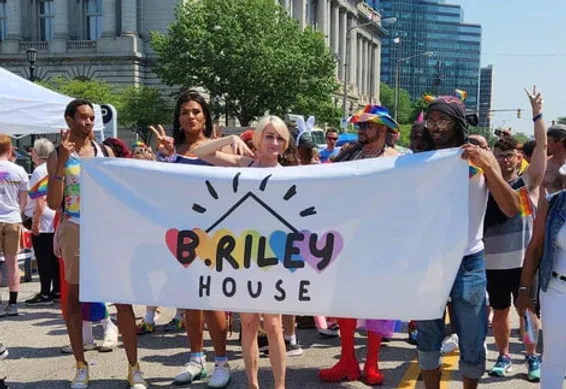
At B. Riley House, our care is LGBTQ+-focused and inclusive. We support people who may have experienced discrimination, family rejection, trauma, or a lack of understanding in traditional treatment settings.
That includes support around:
- Self-acceptance
- Coming out
- Transgender experiences and concerns
- Mental health and trauma
- Sexual health
- Family and chosen family relationships
Healing has more room to grow when you feel respected. You’re welcome here as you are.
2. Understand the levels of care before you choose
“Rehab” can mean different things depending on the program. Before you decide, ask what level of care is available and what kind of support you need right now.
B. Riley House’s Cleveland treatment continuum includes:
- Residential drug treatment at the ASAM 3.5 level of care, with 45- and 60-day options
- Partial hospitalization programming (PHP)
- Intensive outpatient treatment (IOP)
- Mental health assessment and treatment
- Individual and group therapy
- Psychiatric assessment and medication management
- LGBTQ+-affirming psychotherapy
Cleveland residential care offers structure and support while you focus on recovery. PHP and IOP can provide ongoing treatment with a different schedule and level of daily support.
You don’t need to know the perfect answer before you call. Our team can listen to what’s happening and help explain which options may fit.
Explore B. Riley House Cleveland treatment
3. Ask how LGBTQ+ inclusion is practiced, not just advertised
A rainbow logo or an inclusive statement can be a good beginning, but real inclusion shows up in everyday care.
When you contact a program, you might ask:
- Are staff trained to work with LGBTQ+ clients?
- How are names and pronouns respected?
- Are transgender clients supported in room and bathroom arrangements?
- Can therapy address coming out, self-acceptance, or gender identity?
- How are partners, family members, and chosen family included?
- What happens if a resident experiences discrimination or harassment?
At B. Riley House, LGBTQ+ care is not an occasional topic. It is part of how we understand recovery. Your identity and your healing are connected, and both deserve attention.
4. Look for whole-person mental health support
Substance use and mental health often affect each other. Anxiety, depression, trauma, grief, identity stress, and other concerns may need care alongside addiction recovery.
Ask whether a program offers mental health assessment, therapy, psychiatry, and support for co-occurring challenges. Also ask how these services connect with the rest of treatment.
B. Riley House provides mental health assessment and treatment in Cleveland, including psychotherapy that can make space for self-acceptance, coming out, and transgender issues. This whole-person approach helps you talk about more than substance use alone.
You’re more than a diagnosis. Your story matters.
5. Know the difference between treatment and sober living
Cleveland sober living can provide a supportive home base, daily structure, peer connection, and accountability. It is not always the same as clinical treatment.
A sober living home may include:
- House guidelines and routines
- Curfews and shared responsibilities
- Peer support
- Recovery meetings
- A substance-free living environment
- Time to practice recovery skills in everyday life
If you’re searching online for “cleveland house sober living,” take a moment to ask what the home actually provides. Is it treatment, housing, or both? Are clinical services on site? What are the rules, costs, and expectations?
B. Riley House offers Cleveland recovery housing alongside a broader treatment continuum. Our team can explain which services are connected to your situation and which are separate.
For more help comparing housing options, read our existing post, “10 Questions to Ask a Cleveland Sober Living Home Before You Move In,” available through the B. Riley House blog.
6. Ask about structure, safety, and daily life
A caring program should be willing to explain what your days may look like. Clear information can make the first step feel less uncertain.
Ask about:
- A typical daily schedule
- Therapy and group times
- Medication support
- House meetings
- Transportation
- Visitation
- Personal privacy
- Relapse and safety policies
- How concerns or grievances are handled
- What happens when you complete the program
You should also understand whether the residence is voluntary sober living, a formal treatment setting, or a halfway house connected to another system.
Our related guide, “Sober House vs. Halfway House in Cleveland, Ohio: What’s the Real Difference?”, can help you understand the difference between these terms. When you have questions, please ask. Clear answers are part of feeling safe.

7. Check accreditation and recovery housing affiliations
Credentials can’t replace compassion, but they can offer another way to understand an organization’s commitment to quality.
B. Riley House’s Cleveland treatment services are CARF-accredited across the treatment continuum. Our Cleveland sober living is associated with Ohio Recovery Housing, with NARR standards informing quality recovery housing.
Our Miami sober house is accredited by the Florida Association of Recovery Residences (FARR).
These details are location-specific, so it’s important to ask which accreditation or affiliation applies to the service you’re considering. You can also learn more about what recovery housing standards mean in our update, “Recovery Housing Is Professionalizing: What Accreditation Means.”
8. Ask whether community support continues after the first step
Recovery grows through connection. You may benefit from treatment, housing, therapy, peer support, and community meetings at different points in your journey.
B. Riley House offers free recovery meetings in Cleveland that are open to the LGBTQ+ community and allies. No sign-up is required, and meetings include several recovery fellowships and formats. Schedules can change, so you’re welcome to check the current meeting information or call with questions.
These meetings are open to the community, whether you’re already connected with B. Riley House or simply looking for a welcoming place to begin.
One conversation. One meeting. One next step.
9. Review insurance and location details carefully
Practical questions matter. You deserve to understand coverage and costs without feeling pressured.
For Cleveland treatment programs, B. Riley House:
- Accepts all Ohio Medicaid panels
- Works with extensive private insurance partnerships
- Accepts VA benefits through the VA Community Care Network for veterans
- Offers free, fast, and confidential coverage checks
B. Riley House has multiple locations in Cleveland and Miami, but services differ by location. Cleveland offers residential treatment, PHP, IOP, mental health services, psychiatry, and testing. Miami is an LGBTQ+-focused sober living residence only and does not provide residential treatment, PHP, IOP, or psychiatry.
Miami sober living is self-pay only. Our team can help explain what applies to the location and service you’re considering.
Review insurance and coverage information
10. Choose a place where you can build a life, not just finish a program
The best treatment experience is not only about getting through a set number of days. It’s about gaining support, confidence, connection, and practical tools for what comes next.
Since 2016, B. Riley House has served more than 300 clients annually. Among program completers, our retention rate after six months is over 90%. These numbers are meaningful because behind every one is a person who kept going, found support, and made room for a different future.
Our community is built around love, compassion, accountability, and belonging. We offer residential sober living homes, treatment programming, mental health care, and specialized LGBTQ+-affirming psychotherapy because recovery rarely fits into only one box.
You don’t have to arrive with every answer.
A gentle next step
If you’re looking for drug rehabilitation centers in Cleveland Ohio, feel free to reach out and ask questions. You can call B. Riley House at (216) 417-4831, contact our team online, check Cleveland availability, or start an application.
You’ll talk with a real person who can explain your options, discuss insurance, and help you understand what may happen next. There’s no need to rush. Our door is open when you’re ready.
You deserve care that welcomes your whole self.
And you don’t have to walk toward healing alone.